



Click to Select
Teen Support in Australia
Free Resources for teens and young adults (non-affiliated)
Autism Awareness & Neurodiversity:


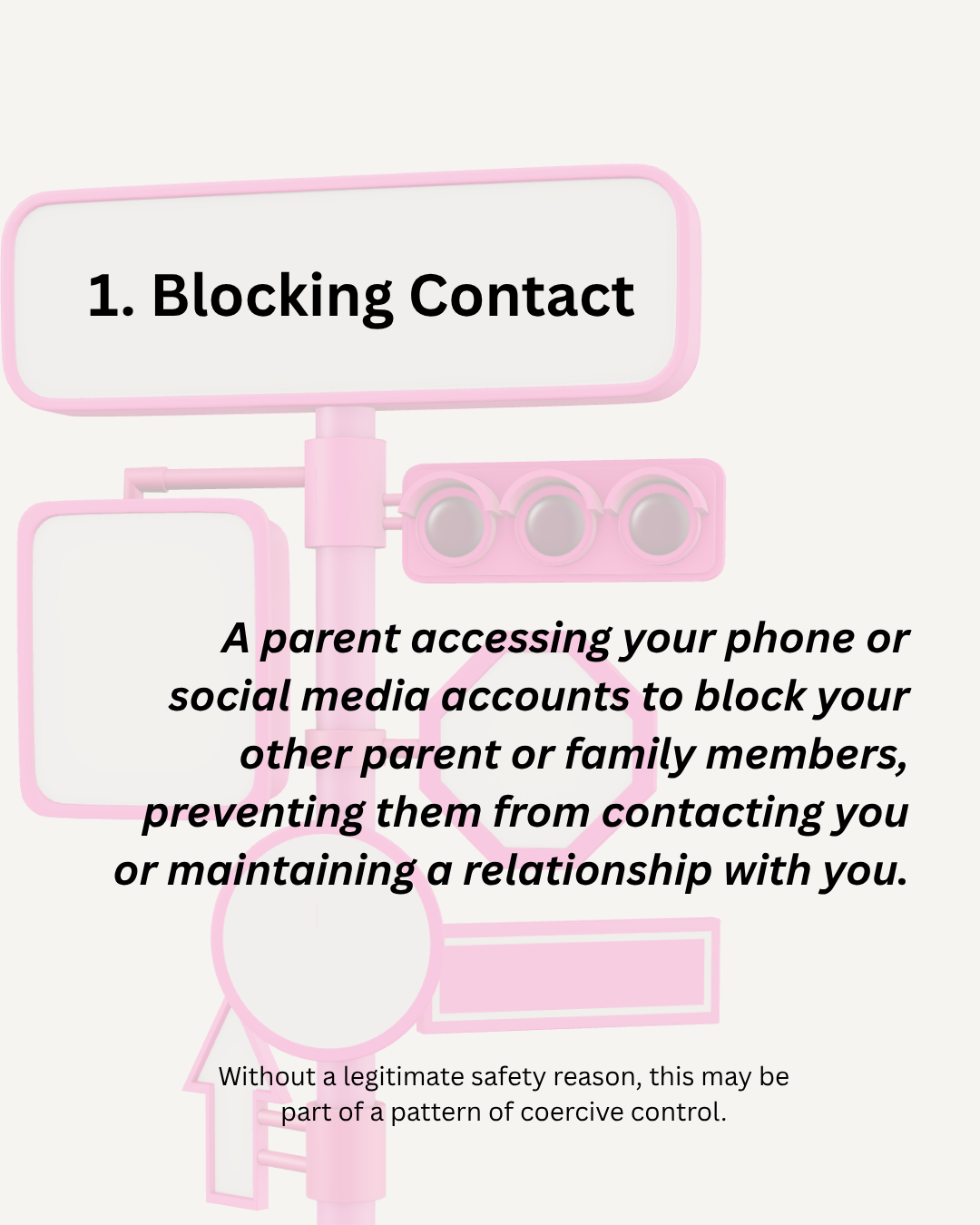
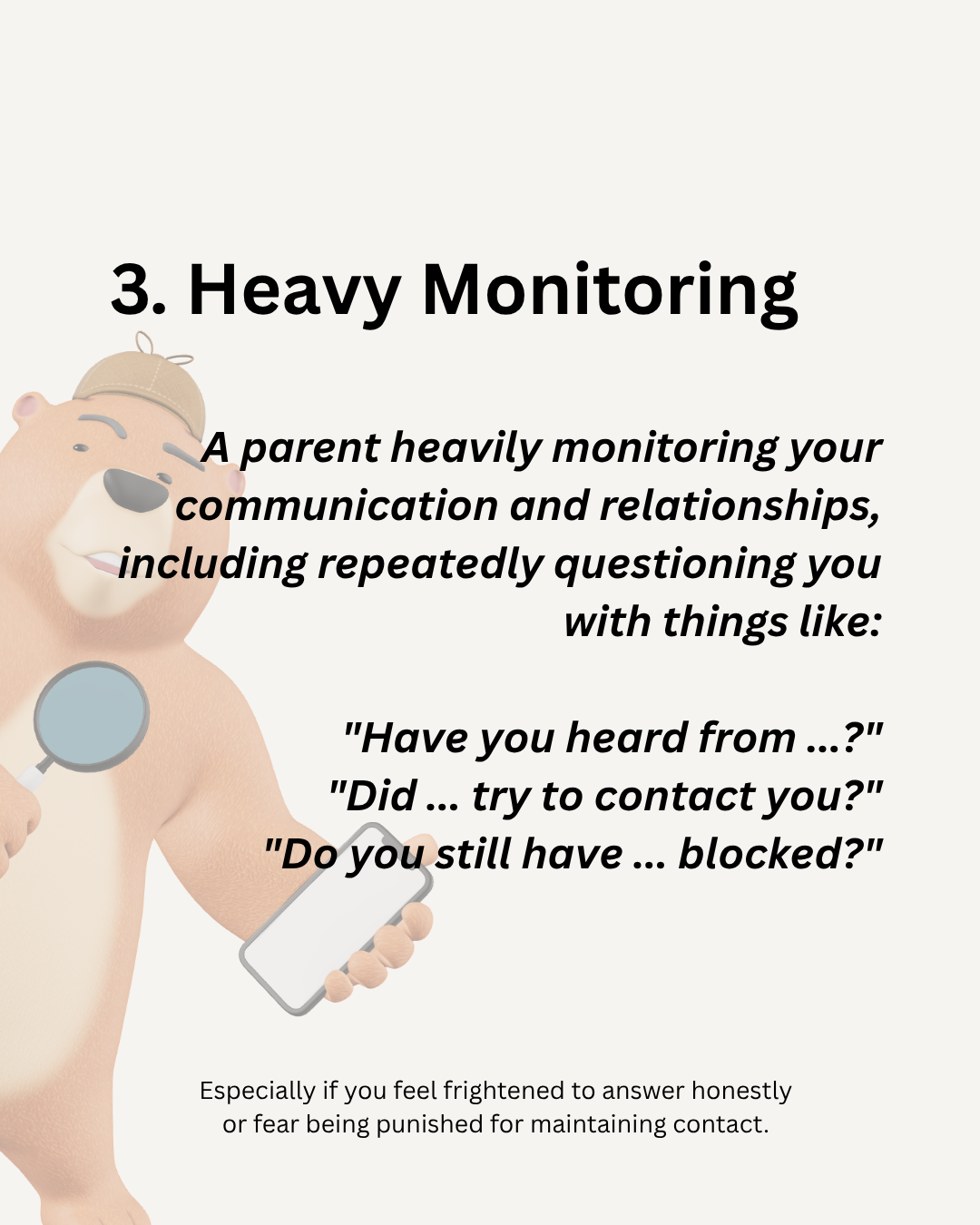
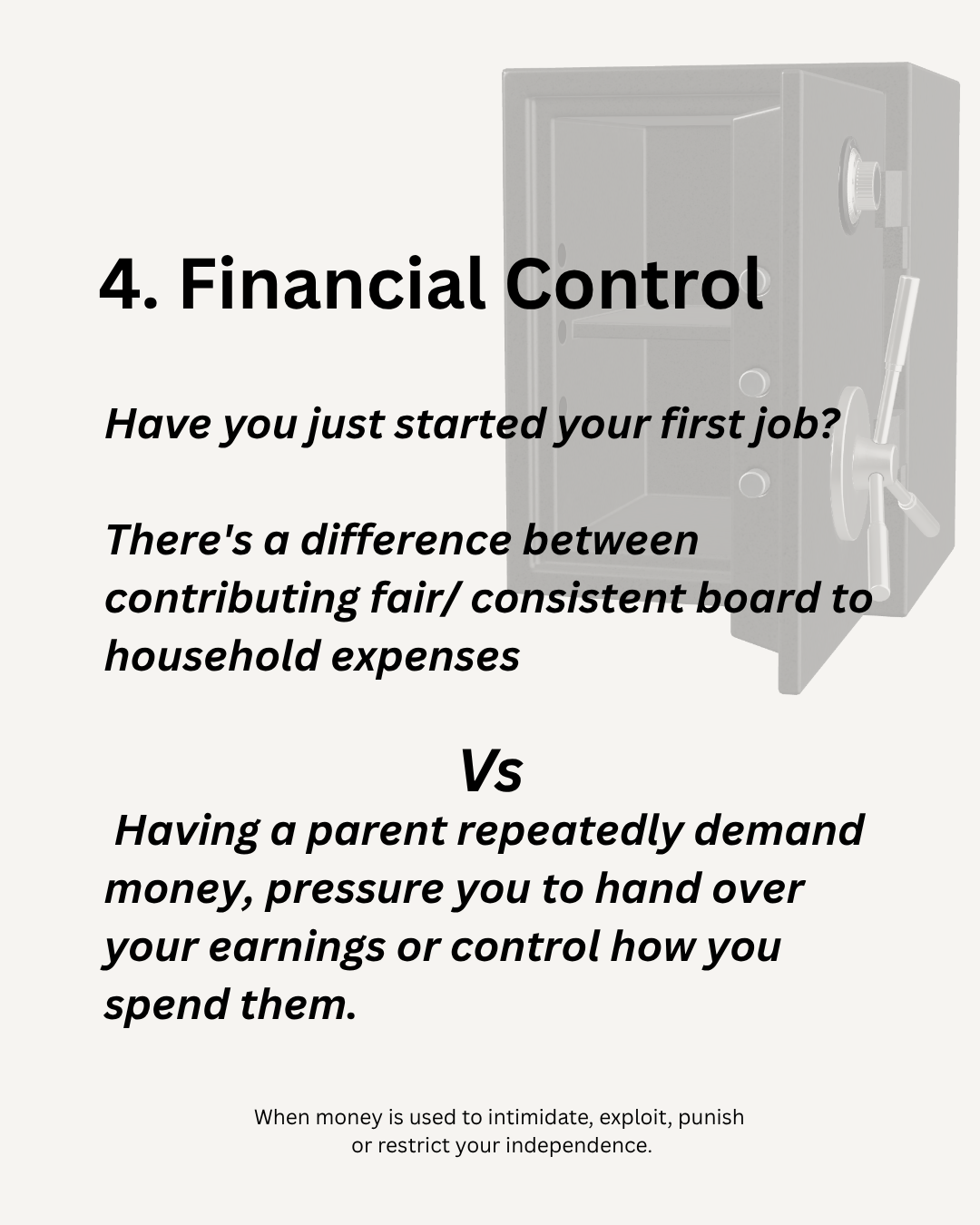
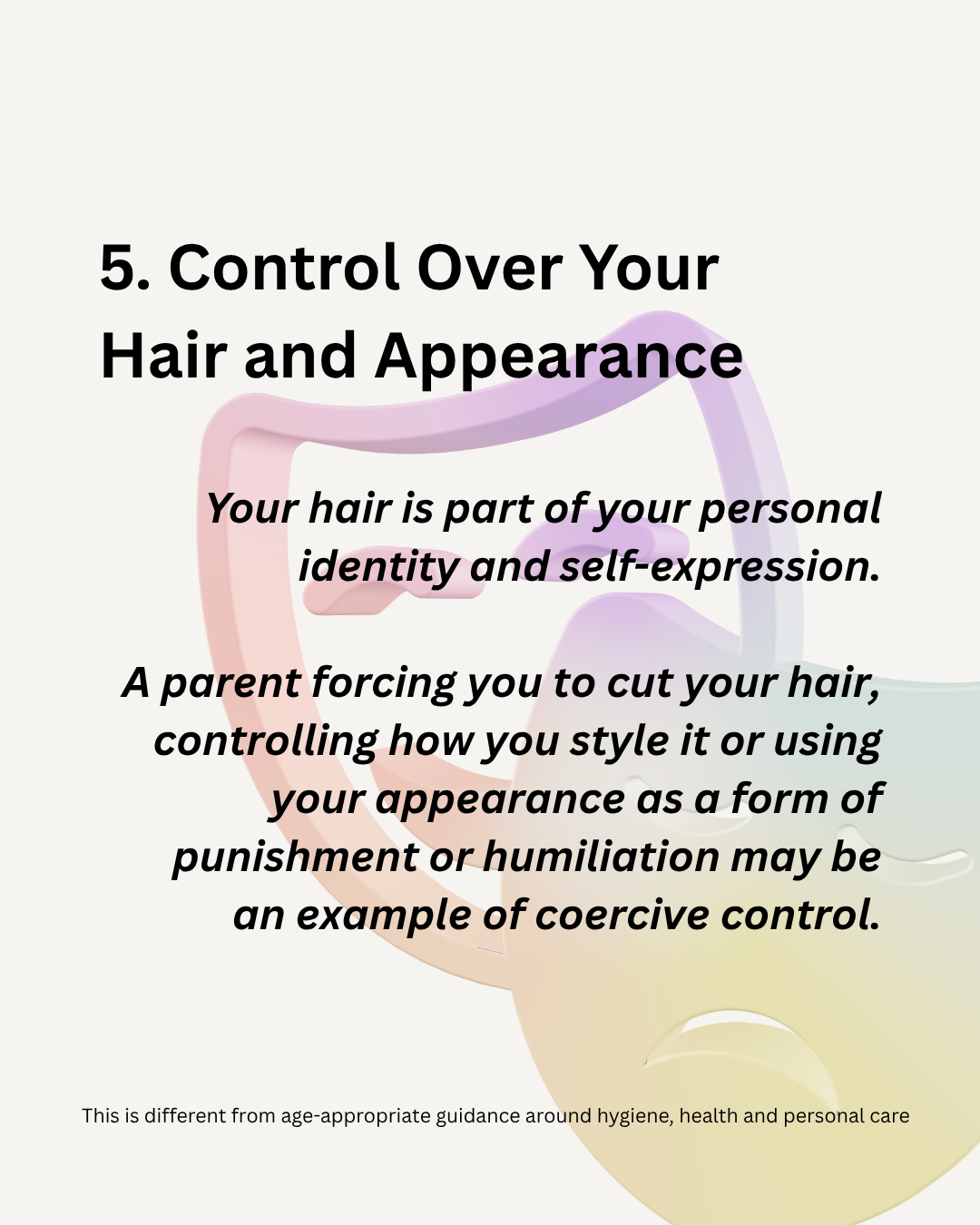
Have you Experienced Any Of These 5 Things?
Coercive Control Examples


Idea 2 : PARENTAL ALIENATION:
Fear, phobias, exposure




Idea 1 : Parental Alienation as the Umbrella Term
Parental Alienation: Looking Beyond the Label
One argument I continue to hear is that “parental alienation tells us what has happened, but not why.”
My response is simple: investigate the why, don’t abandon the term.
Parental alienation describes the relational outcome. Understanding the behaviours, psychological mechanisms and broader dynamics helps us examine how and why that outcome develops and is maintained.
We can investigate the mechanisms without erasing the phenomenon we are trying to understand.
Disclaimer: Educational and advocacy content only, not a diagnostic or clinical framework. Factors discussed are possible associations, not proof of parental alienation. Genuine abuse and justified estrangement must always be considered.
Boundaries
Setting healthy boundaries is basically your superpower for choosing what feels chill and safe in your life. It means knowing what you’re okay with and being comfortable enough to say it out loud without feeling bad about it. When you protect your own energy and headspace, you’re making room for real relationships that respect you, not ones that just drain you or put on the pressure. Your voice 100% matters, and speaking up for yourself is how you start growing into the best version of you.
Lived Experience Paper
Six Siblings: Six Different Outcomes
This presentation uses my family as a lived-experience case study to explore how six siblings within the same broader parental alienation dynamic experienced and adapted to it differently.
Drawing on sibling perspectives and my own reunification with my father at 16, I explore restricted contact, loyalty conflicts, family isolation, intervention and reunification.
The central message is simple: six children can experience the same family system without experiencing, remembering or recovering from it in the same way.
Ultimately, it asks us to look beyond “Does this child reject a parent?” and consider what happens psychologically before, during and after parental alienation and reunification.